A word of caution after Chilcot.
After years of waiting, the Chilcot Report has finally been released and delivered the scathing verdict on the Iraq War that the public expected.
Before Chilcot, we already knew that Tony Blair’s invasion of Iraq was equal to Suez as probably the greatest foreign policy disaster in British history. Yet even now, the country is not witnessing the same recriminations and soul-searching.
In the aftermath of the 1956 Suez Crisis, Prime Minister Anthony Eden resigned and Britain took a step back from military intervention overseas. You could even argue that the lessons learnt from Suez saved us from a greater disaster, as we stayed out of the Vietnam War a decade later.
Unlike the aftermath of Suez however, the political establishment of today is totally unrepentant about Iraq. On foreign policy, David Cameron has well and truly proved himself the ‘heir to Blair’ by taking every possible opportunity to call for intervention in the Middle East.
After the disaster of Libya, in 2013 he called for Britain to enter the Syrian Civil War on the same side as fighters from Al Qaeda and the Islamic State. Most of the media who supported the Iraq War, but now pretend they opposed it, were also right behind the idea of an intervention against President Assad in Syria. If it had gone ahead, this intervention would have been every bit as illegal as Iraq and far more catastrophic.
Fortunately MPs concluded, by a majority of just 13, that if they voted to overthrow another secular Middle Eastern strongman without any hard evidence to support their action (it still hasn’t been proven which side carried out the 2013 chemical attacks in Damascus no matter how recklessly sections of the media and politicians both claim it was Assad) then they would look complete idiots.
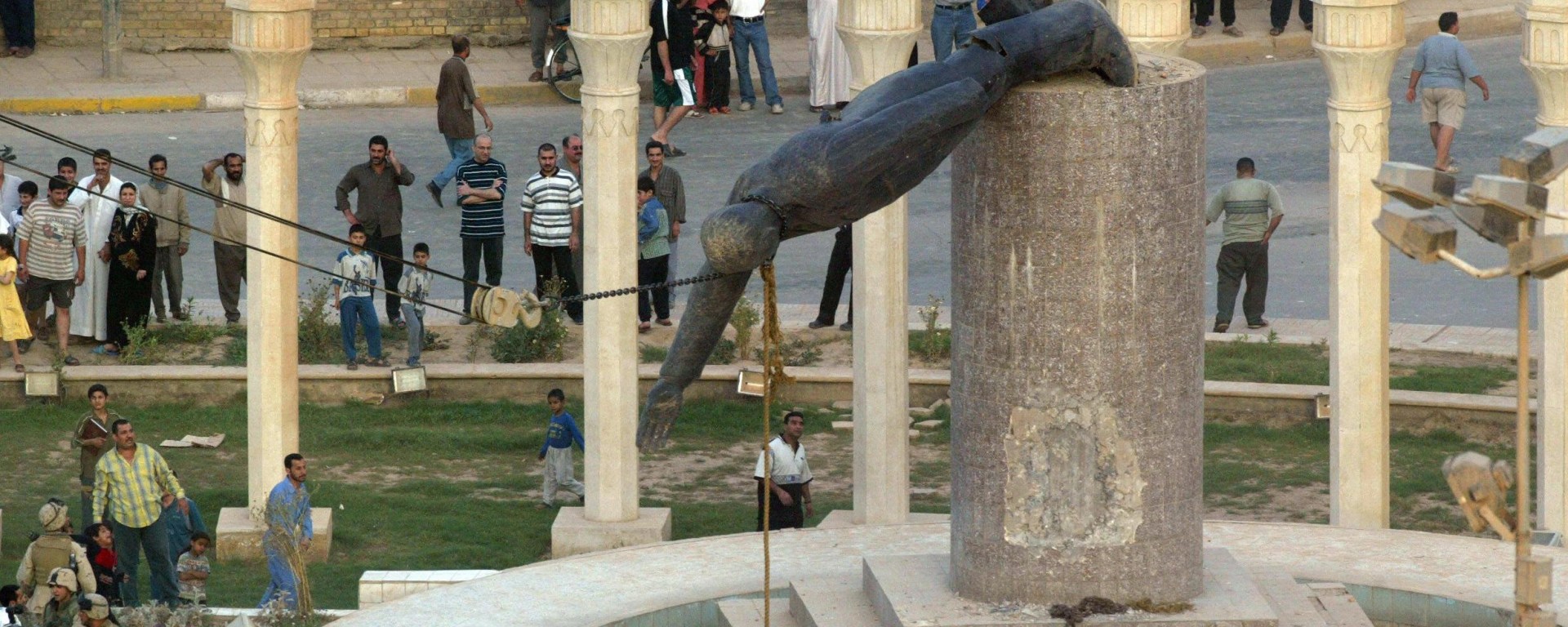
But the ideology behind the Iraq disaster has not been shifted despite being proved disastrously wrong. In parliament yesterday, former Shadow Foreign Secretary Hilary Benn said that we were absolutely right to get rid of Saddam Hussein.
He added: “We need a United Nations that is capable of giving effect to the responsibility to protect, so that brutal dictators who murder and terrorise their own population can and will be held to account?”
A couple of things may have slipped Mr Benn’s mind. Firstly that a majority of permanent Security Council members, not just one, opposed the Iraq war and Chilcot therefore found that Britain had actively undermined the UN and not the other way around.
Secondly, that the UN Security Council did vote unanimously to allow Britain and France to intervene in Libya under the ‘responsibility to protect’ doctrine.
However after Britain and France abused their mandate to protect civilians in Benghazi and instead decided to overthrow the government and attempt to murder the head of state (which the Libyan rebels eventually succeeded in doing), it will probably be decades before the UN Security Council authorises another ‘responsibility to protect’ mission, and rightly so.
None of this is to say there aren’t still times when war is justified. For example when British soil is invaded (the Falklands), in response to an attack on our allies (Afghanistan) or when one country occupies another (the first Gulf War).
But what is not justifiable without objective evidence as to how we can improve the situation is so-called ‘humanitarian intervention’. The very idea of bombing a foreign country in order to help its people exhibits a hubris that borders on colonialism.
And in the corridors of power in the West, support for these interventions is incredibly becoming more, not less, of a prevailing view.
In Britain, nobody in the highest echelons of the Conservative government has called for a scaling back of our military involvement overseas. Meanwhile the French government has gone from the biggest opponent of the Iraq War to being even more cavalier than the United States in intervening militarily in other countries.
Finally, in the United States itself, Hillary Clinton is just as interventionist as George W. Bush. Leading left-wing Islamic columnist Mehdi Hasan has even suggested, through gritted teeth, that a Donald Trump presidency may be preferable to that of Hillary Clinton because he has so far presented himself as the non-interventionist candidate.
As for what should happen to Tony Blair. Sadly, it doesn’t seem like the British political establishment will ever independently learn from their mistakes as they did with Suez.
I can’t say I am qualified to comment on whether the former Prime Minister should, or even can, face trial for his actions in Iraq. However I strongly believe that no Prime Minister can be allowed to take us into a premeditated war with impunity. The only way the country can stop such a disaster from happening again is to, one way or another, make an example out of Tony Blair.

